
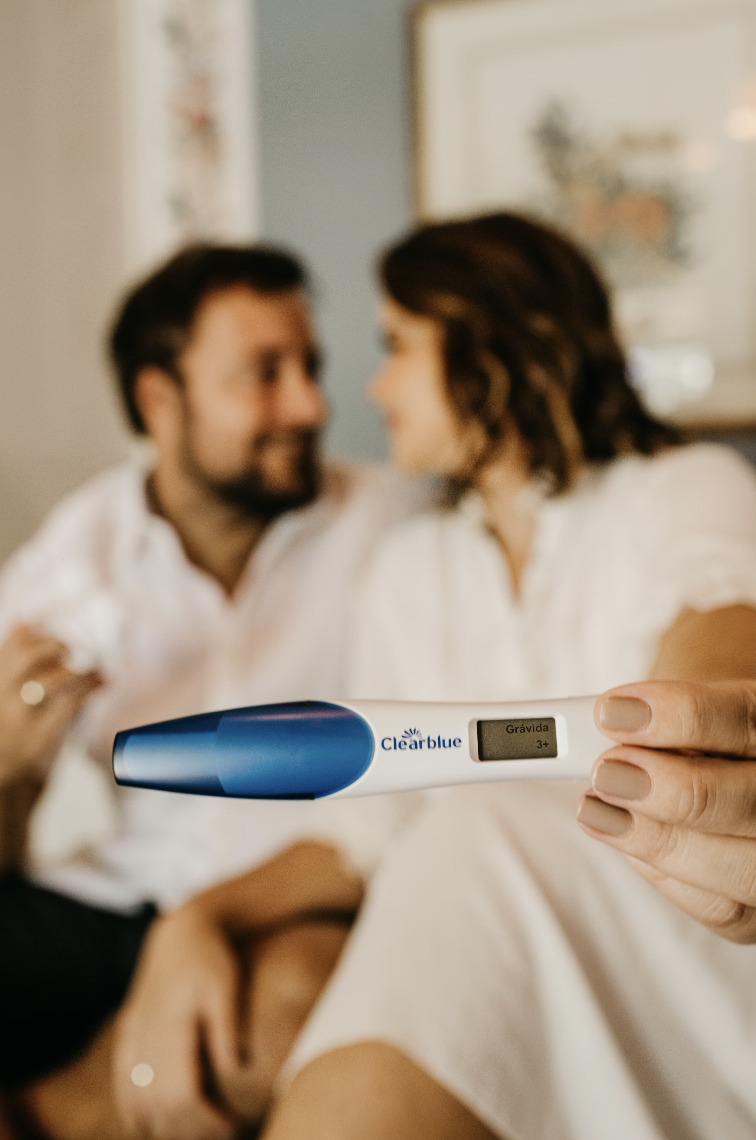
IVF, which stands for In Vitro Fertilisation, is one of humanity’s most remarkable achievements. The procedure can take many forms, but essentially describes the process by which eggs are fertilised with sperm in a lab, and the resulting embryo is transferred into a woman’s uterus to ensure a viable pregnancy. Louise Brown, born in July 1978, was the first IVF baby. Since Louise’s birth, over 10 million births have occurred as a result of IVF, all over the world. Four decades of IVF practice have resulted in several key advancements, such as No-Needle IVF, and success rates have considerably risen.
Traditional IVF
Before pregnancy, several key steps are involved from the preparatory stage to ovarian stimulation, egg retrieval, fertilisation, development, and the eventual embryo transfer. Before IVF treatment, a thorough medical and fertility history will be taken alongside important fertility tests and analysis to ascertain possible causes of infertility. In conjunction, prescription medications such as oral contraceptives or exogenous estrogen may be given to optimise the menstrual cycle’s development to support fertility.
Typically, to stimulate the ovaries, injectable hormones will be used to bring a group of eggs to maturity for fertilisation. Fertilisation occurs through intracytoplasmic sperm injection (ICSI), where approximately 70% of mature eggs are successfully fertilised. About half of those eggs will then become embryos that can develop to be inserted into a uterus. When ready for insertion, one of the embryos will be transferred into a uterus in a short procedure that will last around 10 minutes, in preparation for pregnancy. Finally, within 14 days of the embryo transfer, a blood test will be done to determine pregnancy.
If you’ve been through IVF before — or even just considered it — you may already know how overwhelming it can be. Daily hormone injections, constant monitoring, and unpredictable side effects can take a real toll on your body and your peace of mind. Common side effects include mild bloating and cramping, spotting, constipation and breast tenderness from higher estrogen levels. The pregnancy journey can be emotional and overwhelming, and this was one of the biggest reasons Pyramedicine developed personalised packages that focus on a couple’s mental and physical wellbeing, alongside their fertility care.
For those who want a simpler, less invasive fertility journey
No-Needle IVF offers another way. This miracle approach to in vitro fertilisation combines the latest advancements in laboratory science with patient-centred care, prioritising comfort throughout the IVF journey.
It’s a clinically proven approach that uses oral medications instead of injections, requires fewer clinic visits, and focuses on growing a small number of high-quality eggs, rather than overstimulating the ovaries.
“We felt like we had run out of options. This approach gave us space to breathe — and a successful pregnancy.”
— Layla & Samir, Canada
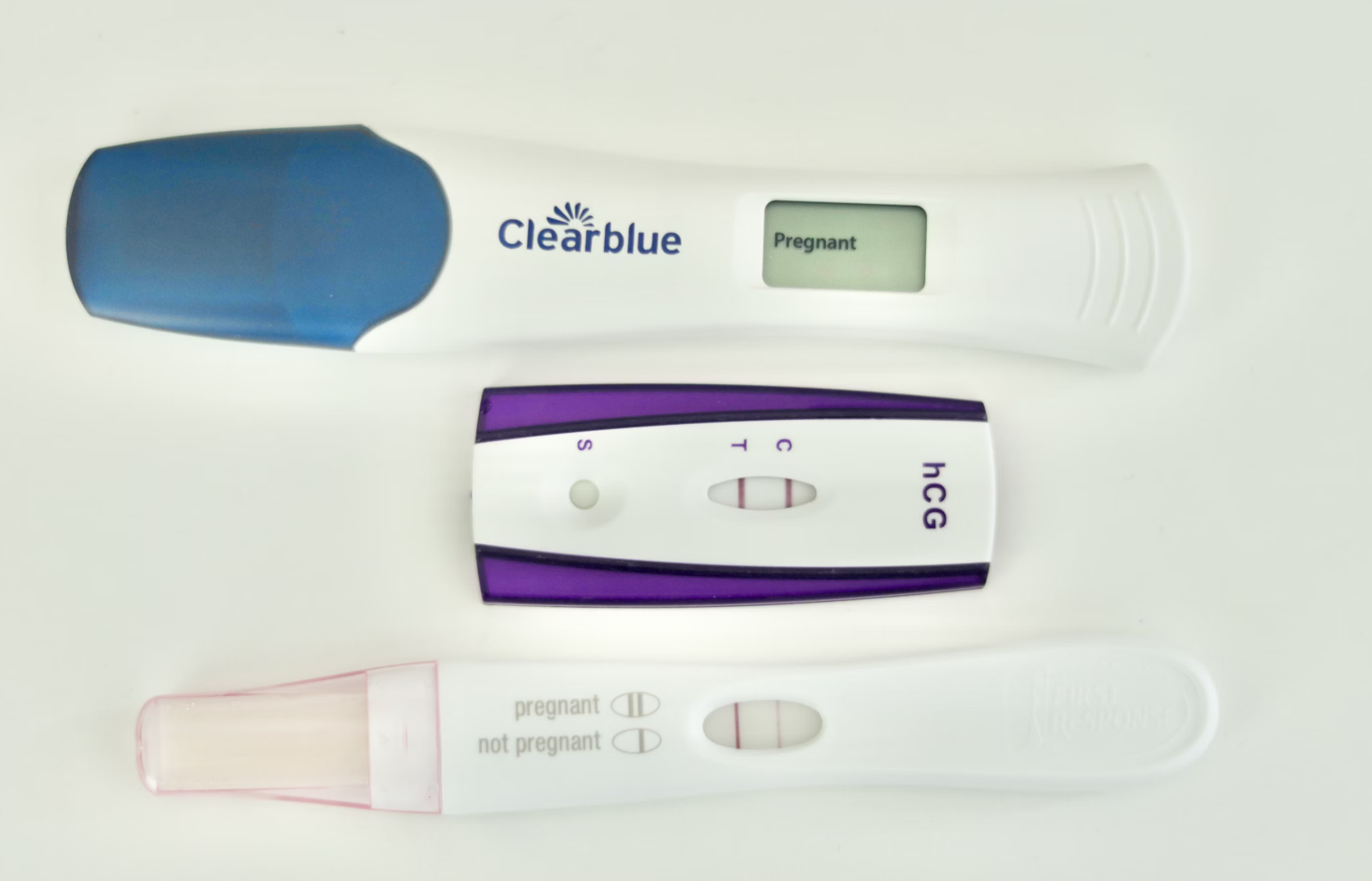
Pregnancy tests after successful IVF treatment
How No-Needle IVF Works
1. No-Needle Stimulation
Instead of injectable hormones, you take fertility medications through an abdominal patch over several days. These gently stimulate the ovaries to produce mature ovarian follicles.
2. Minimal Monitoring
You’ll have ultrasound scans to track progress. This means fewer appointments, less disruption to your daily life, and more time to focus on your wellbeing.
3. Ovulation Triggering
When your follicles are ready, ovulation is triggered using medications delivered through the patch — no injections involved.
4. Egg Retrieval
A short, outpatient procedure under light sedation allows for egg collection. It’s quick, safe, and handled by experienced reproductive specialists.
5. Embryo Transfer
The healthiest embryo is selected and transferred at the time your body is most naturally prepared to support implantation.
Who Is It Best For?
No-Needle IVF may be a good fit if you:
- Prefer a lower-intervention fertility treatment
- Have had negative experiences with injections or hormone side effects
- Prefer a shorter, more manageable treatment process
Why Egypt?
Egypt is increasingly recognised as a destination for high-quality, affordable fertility care. UK-trained Dr Omar Abouali now offers No-Needle IVF – the only clinician pioneering this new therapy outside the United States.
You can expect:
- Access to modern fertility labs with advanced embryo culture systems
- Personalised treatment plans based on your unique medical profile
- All-inclusive IVF packages with clear, upfront pricing
- A calm, supportive environment designed for international patients
Most patients stay for 10–14 days to complete a full cycle.
What’s Included?
- Oral medications
- Monitoring scans
- Egg retrieval and sedation
- Embryo culture and transfer
- Optional add-ons like embryo testing (PGT-A)
Transparent pricing is provided after your initial consultation and medical assessment — no hidden costs, no surprises.

No-Needle IVF: Frequently Asked Questions
Is No-Needle IVF as effective as conventional IVF?
For women under 38 with a good ovarian reserve, success rates are comparable to traditional IVF, with fewer side effects and a more comfortable process.
Can I still do genetic testing on the embryos?
Yes. PGT-A and other advanced testing options are available if needed.
Will I need to travel more than once?
Typically, one trip to Egypt (10–14 days) encompasses a complete cycle. Most patients have several remote consultations in advance to plan their trip more efficiently.
Ready to Learn More?

If you’re interested in No-Needle IVF but aren’t sure whether it’s right for you, our fertility advisors are here to help. There’s no pressure — just clear answers based on your goals and medical history.
Book a free consultation and take the first step toward a more comfortable IVF experience.
Read more about why no-needle IVF is changing the fertility care landscape.





Can you please contact me?? I would like a consultation for no needle ivf
Hi Samantha,
Thank you for reaching out. Pyramedicine provides an initial free consultation with our fertility specialist, Dr. Abouali.
You can click here to book your free consultation and share some details about the treatment you’re looking for.
We aim to get back to you within 24 hours with available appointment slots.
We look forward to supporting you on your journey.
Hi, I am looking into IVF due to previous ectopic pregnancies that meant I had to have both of my fallopian tubes removed so I am naturally unable to get pregnant anymore.
I am 31 years old, my husband is 32 years old and I already have 4 children.
Please let me know the cost of IVF with your clinic.
JazakAllah khayran