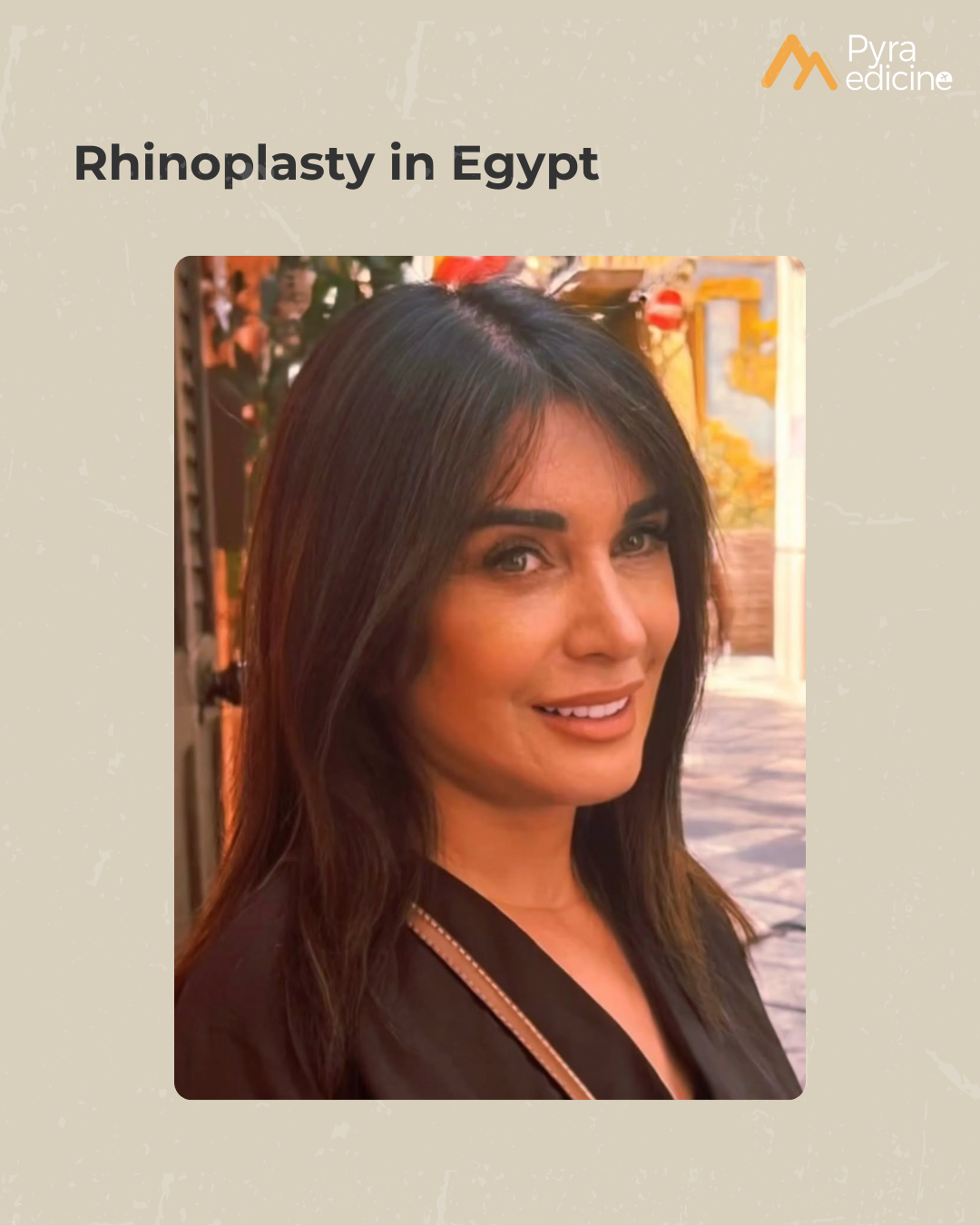
Between dramatic social media transformations, conflicting advice online, and concerns about recovery, many people are left wondering what rhinoplasty actually looks like in real life. Rhinoplasty is one of the most researched cosmetic procedures, yet it remains one of the most misunderstood.
For some people, it’s about refining the appearance of the nose. For others, it’s about breathing comfortably after years of congestion, injury, or a deviated septum.
But between online before-and-afters, mixed information, and fears around swelling or healing, many patients struggle to separate expectations from reality. From the first consultation to swelling, recovery timelines, and long-term results, this guide breaks down what you can realistically expect at every stage of your rhinoplasty journey.
What is rhinoplasty?
Rhinoplasty is a surgical procedure used to change the shape, size, or proportions of the nose for cosmetic enhancements, trauma repair or functional breathing improvements. Nose surgery involves modifying structures like the bridge, tip, or nasal cartilage using either open or closed techniques. As with any other surgical procedure, it is extremely important to take your time, consider your options, and do your research.
While the vast majority of cosmetic procedures satisfy patients, it is important to remember that there are limitations as to how much the nose may be altered. Another point to keep in mind is that the outcome depends on the size of the nose, the condition of the skin, and the patient’s age.
One of the main areas of misinformation surrounding rhinoplasty is the difference between cosmetic and functional rhinoplasty. Cosmetic rhinoplasty is used to improve the appearance of the nose, while functional or reconstructive rhinoplasty is required when nasal issues affect the quality of life.
Rhinoplasty can be performed via two techniques: open rhinoplasty, which involves making a cut across the skin between the nostrils and closed rhinoplasty, which is performed by making tiny cuts inside the nose. While closed rhinoplasty leaves no scars, it is not always possible or available.
Why is rhinoplasty performed?
There are multiple reasons for rhinoplasty, such as:
- To change the shape of the nose (usually the tip or the bridge) as per your liking
- To reshape the nose after it has been bent or broken due to injury
- To correct breathing problems related to the nasal airways (septoplasty)
- To correct a birth defect
The rhinoplasty process: step by step
- Choosing your surgeon– Book an appointment.
- First consultation – Arguably the most important step, you’ll meet with your surgeon and discuss why you want the surgery and what outcome you wish to see. The surgeon will note any illnesses you have had and any medication you are on.
- Examination – Your surgeon will examine your nose, take photographs for medical records and ask you to sign a consent form. Your height and weight will be measured to make sure it’s safe to operate.
- Preparing for surgery – Before surgery, there are essential steps to ensure a safe and comfortable rhinoplasty journey. The candidate must stop smoking 4-6 weeks before the procedure, as it can affect healing and blood flow.
- In the operating room, you will receive anaesthesia, and the operation typically takes 90-180 minutes. Rhinoplasty is considered an outpatient procedure, meaning generally, you will go home either on the day of or the next day after surgery.
What is the recovery process after rhinoplasty?
The surgeon will place a splint over your nose, held by tape. It is needed to keep the nose in place and is usually removed after seven days. A pad is held under your nose for 12 hours. Subtle swelling can last for months, and final results may take up to a year to be visible.
After rhinoplasty, it’s common to have breathing difficulties, requiring you to breathe through your mouth for a week or so. You could have a stiff, numb nose, soreness, swelling, and bruising around the eyes for 3 weeks and light nosebleeds the first few days.
It is recommended to take two weeks off work following a nose operation. Strenuous exercise should be avoided for four to six weeks, but walking a distance is possible after about three to five days, and swimming after three weeks.
The early stages of recovery may feel physically and emotionally overwhelming, and that is completely normal. Most swelling and discomfort gradually improve with proper time and aftercare.
When is it not recommended to undergo a rhinoplasty?
Most ethical surgeons will not recommend a rhinoplasty under the following conditions:
If you have unrealistic expectations that a rhinoplasty cannot viably address any untreated medical or psychological concerns, and smoking-related healing risks that will impact recovery.
What are the risks and potential complications?
Rhinoplasty can occasionally result in permanent breathing difficulty, damage to the cartilage wall between your nostrils, an altered sense of smell or heavy nosebleeds.
Additionally, it has the same minimal risks as any operation: excessive bleeding, a blood clot in a vein, an infection or an allergic reaction to the anaesthesia. Before deciding on rhinoplasty, it’s important to discuss any questions or concerns you may have with a qualified surgeon so you fully understand the potential risks, limitations, and recovery process.
What should be your next step?
Rhinoplasty is ultimately a highly personal decision, whether it is motivated by appearance, breathing concerns, or recovery after injury. While the procedure can create meaningful physical and functional changes, it is important to understand that results take time, healing is gradual, and no surgery can achieve perfection. Having realistic expectations, choosing a qualified surgeon, and understanding the recovery process are all essential parts of achieving a safe and satisfying outcome.
Your first step is to evaluate whether you wish to have the surgery. Once you make up your mind, book a consultation with a board-certified specialist, assess whether you are a suitable candidate, and receive a personalised treatment plan.
FAQs
- How painful is recovery?
Recovery can involve soreness, swelling, bruising around the eyes, and a stiff or numb nose. The early stages may feel physically and emotionally overwhelming, but most discomfort gradually improves with time and proper aftercare.
- How long does the swelling last after rhinoplasty?
Noticeable swelling and bruising around the eyes can last for about 3 weeks, while subtle swelling can continue for months. Final results may take up to a year to become visible.
- Can rhinoplasty improve breathing problems?
Yes. Rhinoplasty can help correct breathing problems caused by structural issues in the nose, such as blocked airways.
- What is the difference between septoplasty and rhinoplasty?
Rhinoplasty changes the shape, size, or proportions of the nose for cosmetic or functional reasons. Septoplasty specifically corrects structural issues in the nasal airways to improve breathing.
- Are rhinoplasty results permanent?
Final results may take up to a year to fully appear. Long-term changes are intended, but permanence is not specifically addressed.
This article is intended for informational purposes only and should not be considered medical advice, diagnosis, or treatment. Rhinoplasty is a surgical procedure that carries risks and may not be suitable for everyone. Always consult a qualified, board-certified medical professional to discuss your individual concerns, treatment options, and suitability for surgery.
Citations
- British Association of Plastic Reconstructive and Aesthetic Surgeons (BAPRAS)
Considering cosmetic surgery?
https://www.bapras.org.uk/public/patient-information/cosmetic-surgery/considering-cosmetic-surgery
- British Association of Plastic Reconstructive and Aesthetic Surgeons (BAPRAS)
Rhinoplasty
- National Health Service (NHS)
Nose reshaping (rhinoplasty)
- Cleveland Clinic
Rhinoplasty (Nose Job)
https://my.clevelandclinic.org/health/treatments/11011-rhinoplasty
- British Association of Aesthetic Plastic Surgeons
Rhinoplasty
https://baaps.org.uk/patients/procedures/13/rhinoplasty
Book Now with Pyramedicine!