Rhinoplasty Recovery Timeline: What to Expect After a Nose Job
Planning a rhinoplasty involves more than choosing the shape of your nose. Understanding the recovery process is equally important, particularly if you are considering travelling abroad for surgery.
After a nose job, swelling, bruising and nasal congestion are common. Although many patients feel considerably better within the first few weeks, the nose continues to heal for months, and the final result can take a year or longer to become apparent.
The key to a successful recovery is protecting your nose, following your surgeon’s instructions and allowing enough time for healing.
If you are considering rhinoplasty in Egypt with Pyramedicine, understanding the recovery timeline can help you plan time off work, arrange accommodation and discuss follow-up care before travelling.
In this guide, we explain what to expect after rhinoplasty, when you may return to everyday activities, how long swelling lasts and what international patients should consider before flying home.
How long does rhinoplasty recovery take?
Rhinoplasty recovery happens in stages. The most noticeable bruising and swelling generally improve during the first two to three weeks, but subtle swelling and changes in nasal shape may continue for 12 months or longer.
The exact timeline depends on your anatomy, the extent of surgery, the surgical technique and how your body heals.
| Time after surgery | What you may experience |
|---|---|
| Days 1–3 | Swelling, bruising, congestion and discomfort |
| Days 4–7 | Continued healing; the splint often remains in place |
| Week 1–2 | Follow-up and possible splint removal; visible bruising begins to settle |
| Weeks 2–3 | Many patients feel more comfortable returning to routine activities |
| Weeks 4–6 | Gradual return to more strenuous activity when cleared by the surgeon |
| Months 2–3 | Continued improvement, with residual swelling possible |
| Months 6–12 | Increasing definition as swelling settles |
| 12 months or longer | Further refinement may occur, especially around the nasal tip |
This is a general guide rather than a guaranteed schedule. Your surgeon’s advice takes priority, particularly if your procedure involved significant structural changes or functional correction.
Rhinoplasty recovery week by week
Days 1–3: The initial recovery period
The first few days after rhinoplasty are usually focused on rest, comfort and protecting the nose.
You may experience:
- Swelling around the nose and eyes.
- Bruising beneath the eyes.
- A blocked or congested nose.
- Mild to moderate discomfort.
- Small amounts of blood-stained nasal discharge.
- A splint, dressing or internal support, depending on the operation.
Your surgeon may recommend resting with your head elevated to help manage swelling. Take prescribed medication as directed and avoid activities that could increase bleeding or put pressure on the nose.
Do not remove a splint, dressing or internal support yourself.
If you experience heavy bleeding, severe or rapidly worsening pain, changes in vision, difficulty breathing or other concerning symptoms, seek urgent medical assessment rather than assuming they are part of normal recovery.
Days 4–7: Swelling and bruising continue to settle
During the first week, swelling and bruising may still be noticeable. Your nose may feel blocked, and the appearance can be quite different from the result you hoped to achieve.
This is expected during early healing.
Your clinic may arrange a review to check your recovery and remove or adjust dressings. An external splint is commonly removed at around one week, although timing varies.
During this stage:
- Keep the nose protected.
- Follow the clinic’s cleaning and wound-care instructions.
- Avoid blowing your nose unless your treating team specifically advises otherwise.
- If you need to sneeze, try to sneeze with your mouth open.
- Avoid strenuous activity and bending that causes significant pressure or discomfort.
- Attend your scheduled follow-up appointment.
Do not judge your final cosmetic result while the nose is still swollen and supported by dressings.
Week 2: Returning to everyday activities
By the second week, many patients find that visible bruising and the most noticeable swelling have improved.
Some people feel comfortable returning to desk-based work or social activities, while others need more time. If your work involves physical exertion, heavy lifting or a risk of injury, you may need a longer period away.
Your nose may still look swollen, feel stiff or appear slightly asymmetrical. Early swelling can change how the nasal tip and bridge look, so these changes should not automatically be interpreted as the final result.
Continue to follow your surgeon’s advice about washing, skincare, glasses, medication and activity.
Weeks 3–4: Early changes become more visible
During the third and fourth weeks, bruising has often faded substantially, and many patients feel closer to their usual routine.
However, the nose remains vulnerable to injury, and swelling is still present beneath the surface.
You may notice that:
- The bridge looks more defined.
- The nasal tip remains swollen.
- The nose feels firm or numb in places.
- Congestion continues to improve.
- The appearance changes slightly from day to day.
Avoid returning to strenuous exercise simply because the bruising has disappeared. Follow the timetable given by your surgeon, particularly if your operation involved reshaping the nasal bones.
Weeks 4–6: Gradually returning to exercise
Many patients can progressively resume more demanding activities during this period, provided their surgeon confirms that healing is satisfactory.
The timing depends on the operation and the type of exercise.
Walking and light everyday activity may be appropriate much earlier, whereas heavy lifting, intense exercise and contact sports generally require more caution.
Activities that could cause a direct impact to the nose should be avoided until your surgeon confirms it is safe.
If you wear glasses, ask when and how they can be worn without placing inappropriate pressure on the healing nose.
Months 2–3: The nose continues to settle
At two to three months, much of the visible bruising should have resolved, and the overall shape may be easier to appreciate.
However, deeper swelling can persist, particularly around the nasal tip.
It is common for the nose to look different in photographs taken at different stages of recovery. Lighting, camera angle and residual swelling can all influence how the result appears.
Keep attending your follow-up appointments and raise any persistent concerns with your surgeon.
Months 6–12: Assessing the developing result
Over the following months, swelling continues to reduce and the nasal contours gradually become more defined.
The tip can take longer to settle than the bridge. Patients with thicker nasal skin or more extensive surgery may require additional time before the final shape becomes apparent.
Your surgeon can assess the progress of healing and explain whether the changes are consistent with the expected recovery.
After 12 months: Is this the final rhinoplasty result?
For many patients, the nose is much closer to its long-term appearance by around one year. However, subtle refinement can continue beyond this point.
The timing depends on the operation, skin characteristics and individual healing.
If you are concerned about asymmetry or the appearance of your nose, discuss your concerns with your surgeon rather than making a decision about revision surgery too early.
The main takeaway: early swelling does not tell you exactly what your final rhinoplasty result will look like.
What affects rhinoplasty recovery time?
Not everyone heals at the same rate. Several factors influence how quickly you recover and when your final result becomes apparent.
1. The extent of surgery
A procedure involving substantial changes to bone, cartilage or nasal support may require a different recovery period from a more limited operation.
Revision rhinoplasty can be particularly complex because previous surgery may have altered the underlying structures or created scar tissue.
2. Open vs closed rhinoplasty
Open rhinoplasty uses an incision across the columella, while closed rhinoplasty uses incisions inside the nostrils.
The appropriate technique depends on the surgical objectives and your anatomy. Open surgery may involve more soft-tissue dissection in some cases, but the technique alone does not determine the recovery time.
3. Skin thickness
Skin characteristics can influence how swelling settles and how clearly the underlying nasal contours become visible.
Thicker skin, particularly around the nasal tip, may take longer to show the final definition.
4. Individual healing
General health, smoking, medication use, wound care and other individual factors can affect recovery.
Follow the advice of your treating team, disclose your medical history and avoid smoking or vaping during the period recommended by your clinician.
5. Following aftercare instructions
Protecting the nose, attending follow-up appointments and avoiding premature return to strenuous activity help support healing.
Do not start supplements, change medication or use unprescribed treatments to speed recovery without checking with your clinical team.
How can you reduce swelling after rhinoplasty?
Some swelling is an expected part of healing. It cannot be eliminated completely, but following your surgeon’s instructions can help you recover appropriately.
Practical measures may include:
- Resting with your head elevated when advised.
- Taking medication exactly as prescribed.
- Avoiding activities that could injure the nose.
- Following instructions about dressings and cleaning.
- Avoiding smoking and vaping during recovery.
- Protecting your skin from excessive sun exposure.
- Attending scheduled follow-up appointments.
Do not massage your nose, apply pressure or use a compression device unless your surgeon specifically recommends it.
Be cautious of online advice promising to eliminate swelling quickly. Recovery takes time, and interventions that are unsuitable for your operation could interfere with healing.
When can you return to work after rhinoplasty?
The answer depends on your job, your recovery and how comfortable you feel in public.
For desk-based work, many patients plan approximately one to two weeks away. Some may need less time, while others require longer, particularly if bruising remains visible or the procedure was extensive.
If your work involves manual labour, heavy lifting, physical exertion or a risk of facial injury, you may need a longer recovery period.
Before surgery, discuss your occupation and likely time off with your surgeon. If you are travelling abroad, also account for the time required for your post-operative review and return journey.
When can you exercise after a nose job?
Returning to exercise too early can increase swelling and bleeding risk, while activities involving impact may injure healing nasal structures.
A general approach is:
- Early recovery: rest and gentle movement as advised.
- First few weeks: avoid strenuous workouts and heavy lifting.
- Around four to six weeks: some patients can resume more demanding exercise after clinical clearance.
- Contact sports: wait until your surgeon confirms that it is safe, which may take longer than six weeks.
These are general estimates. Your surgeon may recommend different restrictions depending on the operation and your recovery.
Can you fly after rhinoplasty in Egypt?
If you are travelling to Egypt for rhinoplasty, your return flight needs to be planned around your recovery and follow-up requirements.
There is no single post-operative travel date that is appropriate for every patient. The timing should be confirmed by the surgeon responsible for your care, taking into account the procedure, recovery, potential complications and any airline or travel considerations.
Before booking your flight home, ask:
- How long should I remain in Egypt after surgery?
- Must I attend an in-person review before departure?
- When will my splint or dressing be removed?
- What symptoms would mean I should delay travel?
- Who should I contact if I develop bleeding, fever, increasing pain or other unexpected symptoms?
- How will follow-up be arranged once I return home?
Allow flexibility in your travel plans. Do not assume that removal of the external splint means you are ready to fly.
Planning your rhinoplasty journey with Pyramedicine
Pyramedicine helps international patients explore rhinoplasty options in Egypt and understand the practical arrangements involved in travelling for treatment.
Before committing, confirm the treatment plan, expected recovery period, follow-up arrangements and any additional costs associated with staying longer than anticipated.
Your surgeon should give you individualised advice about when it is appropriate to travel and resume normal activities.
What should you avoid after rhinoplasty?
Your surgeon’s instructions take priority, but common precautions include:
- Do not remove your splint or dressings yourself.
- Avoid blowing your nose until your clinical team says it is safe.
- Avoid putting pressure on the nose.
- Do not return to strenuous exercise prematurely.
- Avoid contact sports and activities that risk facial injury.
- Do not change prescribed medication without medical advice.
- Avoid smoking or vaping during the period advised by your surgeon.
- Attend follow-up appointments even if the nose appears to be healing well.
If you are unsure whether an activity is safe, ask your treating team before doing it.
When should you seek medical help after rhinoplasty?
Some swelling, bruising, congestion and mild discomfort are expected after surgery. However, certain symptoms require prompt assessment.
Contact your treating clinic urgently if you develop:
- Heavy or persistent bleeding.
- Severe or worsening pain.
- Fever or signs of infection.
- Increasing redness or swelling that concerns you.
- New or worsening difficulty breathing.
- Any unexpected symptom that your surgeon warned you about.
Seek emergency medical attention for severe breathing difficulty, changes in vision or other serious symptoms.
If you have had surgery abroad and cannot reach the clinic, seek local medical care rather than delaying assessment while waiting for a reply.
When will you see the final rhinoplasty result?
Many patients want to know when they can judge whether the operation has achieved their goals.
The answer depends on the procedure and your individual healing, but it is important to distinguish early appearance from the final result.
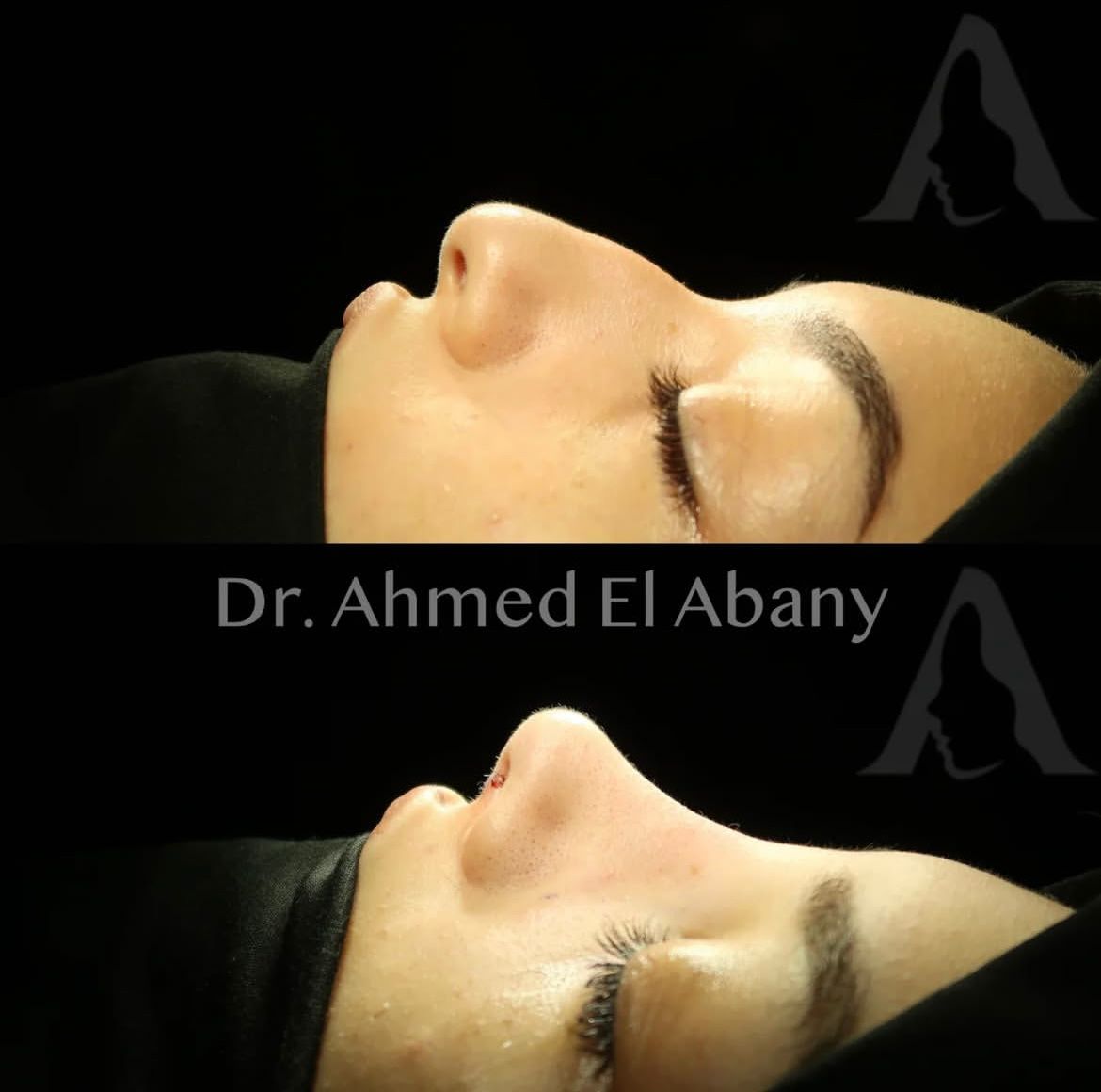
After one week: the splint may be removed, revealing an early view of the nose, but swelling can still be substantial.
After one month: bruising is often much improved, but the nasal tip and other areas may remain swollen.
After three months: the shape may be clearer, although continued changes are normal.
After six to twelve months: swelling generally continues to reduce and the contours become more refined.
After a year or longer: the nose may continue to settle, particularly following extensive surgery or in patients with thicker skin.
Your surgeon should explain the likely timeline for your procedure and when it is reasonable to assess the long-term result.
Is it normal for the nose to look uneven during recovery?
Some temporary asymmetry can occur while swelling settles. Swelling may not resolve evenly on both sides, and the appearance can fluctuate during the healing process.
However, not every change should automatically be dismissed as swelling. If you notice a sudden change, significant pain, worsening symptoms or an appearance that concerns you, contact your treating surgeon for assessment.
Avoid repeatedly manipulating the nose or trying to correct an apparent asymmetry yourself.
Rhinoplasty recovery for international patients: A checklist
If you are travelling to Egypt for a nose job, preparation is especially important because your treating clinic may be in a different country from your home.
Before travelling, confirm the following.
Before surgery
- Your surgeon has reviewed your medical history and assessed your suitability.
- You understand the proposed operation, risks and expected recovery.
- You have a written quotation and understand the package inclusions.
- You know how long you may need to stay in Egypt.
- You have arranged appropriate accommodation and help during early recovery.
- You have discussed your medication and any relevant medical conditions.
Before returning home
- You have attended any required post-operative review.
- Your surgeon has advised that travel is appropriate.
- You understand how to care for your nose and any remaining dressings.
- You have written instructions about medication and warning symptoms.
- You know whom to contact if a problem develops.
- You have a plan for follow-up after returning home.
A well-planned journey should prioritise recovery and access to medical care rather than trying to fit surgery into the shortest possible trip.
Frequently asked questions about rhinoplasty recovery
How long does rhinoplasty recovery take?
Many patients feel more comfortable within one to two weeks, although swelling can persist for months. The nasal contours may continue refining for a year or longer.
How long does swelling last after rhinoplasty?
The most noticeable swelling generally improves over the first few weeks. Residual swelling, particularly around the nasal tip, may last many months.
When is the splint removed after rhinoplasty?
An external splint is commonly removed after approximately one week, but timing varies depending on the procedure and the surgeon’s plan.
Can I go back to work one week after rhinoplasty?
Some patients with desk-based jobs may feel ready, but others need one to two weeks or longer. Bruising, discomfort, the type of work and your surgeon’s advice all matter.
When can I exercise after a nose job?
Gentle activity may be possible relatively early, but strenuous exercise commonly needs to be avoided for several weeks. Your surgeon should confirm when you can safely resume workouts and contact sports.
When can I fly after rhinoplasty?
The timing depends on your operation and recovery. Obtain explicit advice from your treating surgeon before booking or taking a flight.
Does open rhinoplasty take longer to heal than closed rhinoplasty?
The recovery depends on the surgical work performed and individual factors, not just whether the operation was open or closed. Some open procedures involve more extensive dissection, but your surgeon can explain what to expect for your case.
When will I see my final nose shape?
The appearance improves gradually. Although early changes can be seen once the splint is removed, the final contour may take a year or longer to develop.
Can I wear glasses after rhinoplasty?
Pressure on the healing nose may need to be avoided for a period after surgery. Ask your surgeon when you can safely wear glasses and whether an alternative arrangement is needed.
What if I am unhappy with my nose during recovery?
Early swelling can distort the appearance, so it is usually too soon to judge the final result in the first few weeks. Discuss your concerns at follow-up and seek prompt assessment if you have sudden changes or concerning symptoms.
Planning rhinoplasty in Egypt with Pyramedicine
Rhinoplasty recovery requires patience, realistic expectations and a clear plan for follow-up. Although the first few weeks are often the most noticeable part of healing, the nose continues to change for months.
If you are considering rhinoplasty in Egypt, make recovery planning part of your decision from the beginning. Ask about the procedure, the expected length of stay, post-operative reviews and the arrangements for support after you return home.
Pyramedicine can help you enquire about rhinoplasty options in Egypt, understand the practical arrangements and clarify the next steps towards a consultation.
Contact Pyramedicine to explore your rhinoplasty options and discuss treatment planning for international patients.
Your treatment decision should be based on a personalised clinical assessment, a clear explanation of risks and confidence in the arrangements for your recovery.
Medical references
- NHS: Nose reshaping (rhinoplasty) – recovery, common side effects and activity restrictions.
- American Society of Plastic Surgeons: Rhinoplasty recovery – post-operative care and the time required for swelling to settle.
- Cambridge University Hospitals: Information after septorhinoplasty – practical advice on recovery and follow-up.
This article is for general information and does not replace personalised medical advice. Recovery instructions and travel clearance must come from the treating surgical team.