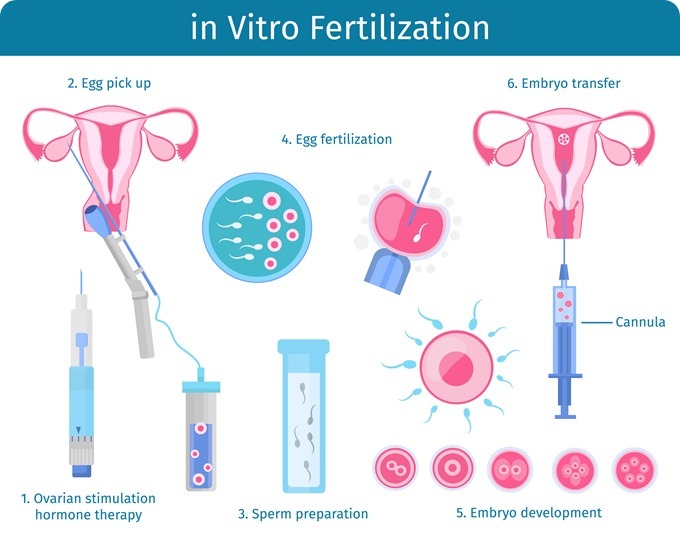
When considering IVF treatment, one of the first questions patients ask is: “What are your success rates?” It’s an important question and one that deserves a clear, honest answer.
At Pyramedicine, we’re proud to offer consistently strong IVF success rates across all age groups, with particularly high outcomes for younger patients.
Our IVF Success Rates at a Glance
Fertility outcomes naturally vary with age, but our results remain encouraging throughout:
- Up to 80% success rate for patients under 30
- Around 65% for ages 31-35
- Approximately 50% for ages 36-40
- Up to 30% for ages 41-45
These figures reflect our commitment to combining advanced medical techniques with personalised patient care.
Understanding IVF Success Rates: What Really Matters
IVF statistics can sometimes be confusing. At Pyramedicine, we prioritise transparent and clinically meaningful reporting, focusing on outcomes that matter most to patients.
Key measures include:
- Clinical pregnancy rate (confirmed by a fetal heartbeat)
- Implantation rate (how often embryos successfully attach)
- Live birth rate (often referred to as the “take-home baby rate”)
- Cumulative success rate (overall chance of success across multiple cycles)
We do not include biochemical pregnancies (early positive tests without confirmed development) in our reported success rates, ensuring patients receive realistic and trustworthy information.
It’s also important to consider how success builds over time. While some patients conceive on their first IVF cycle, others may require additional cycles, with cumulative success rates increasing across second and third attempts.
Fresh vs Frozen Embryo Transfer
Patients often ask about the difference between fresh and frozen embryo transfers (FET). Both approaches are safe and effective, but they serve slightly different purposes:
- Fresh embryo transfer occurs shortly after egg retrieval and may allow additional embryos to be stored for future use.
- Frozen embryo transfer (FET) involves transferring embryos in a later cycle, often allowing better timing and uterine preparation.
The right approach depends on individual clinical factors, and at Pyramedicine, we guide patients on the option most likely to optimise their outcome.
Common IVF Questions Answered
Do 3-day or 5-day embryos work better?
Blastocyst-stage embryos (day 5) are often preferred as they allow better selection of viable embryos. However, both can result in successful pregnancies depending on individual circumstances.
What are the chances of success on the first IVF cycle?
Success varies by age and health, but while many patients are successful on their first cycle, others benefit from multiple cycles, where cumulative success rates improve significantly.
What is the risk of twins or multiple births?
Modern IVF practice, including at Pyramedicine, typically recommends single embryo transfer to reduce the risk of multiple pregnancies while maintaining high success rates.
Does egg quality matter more than sperm quality?
Both are important. While a healthy egg can compensate to some extent, optimal outcomes depend on both good egg and sperm quality.
Can younger women with low AMH still have good outcomes?
Yes. Younger patients often still have good egg quality, even if ovarian reserve (AMH) is lower, which can support positive IVF outcomes.
What are the chances of IVF success at age 40+?
Success rates do decline with age, but many patients still achieve pregnancy, particularly with personalised treatment strategies and, in some cases, multiple cycles.
A Personalised Approach to IVF Success
At Pyramedicine, we believe success rates should be clear, honest, and tailored to you. By combining advanced fertility techniques with individualised care, we aim to give every patient the best possible chance of achieving a healthy pregnancy and a successful outcome.
If you’re considering IVF and want to understand your personal chances of success, our team is here to help guide you every step of the way.
What Makes Pyramedicine Different?
Our strong success rates are driven by:
1. Advanced Fertility Technology
We use the latest IVF techniques and laboratory innovations to maximise embryo quality and implantation success.
2. Personalised Treatment Plans
No two patients are the same. We carefully design each treatment plan based on individual needs and medical history.
3. Expert Clinical Team
Our experienced fertility specialists provide guidance and support at every stage of your journey.
4. Holistic Patient Care
We focus not just on clinical outcomes, but also on emotional well-being because fertility treatment is as much a personal journey as it is a medical one.
Importantly, PyraMedicine does not use donor eggs. Our success rates depend on the patient’s own eggs.
Choosing the Right Fertility Clinic
While success rates are important, they should always be viewed in context. A reputable clinic will be transparent, realistic, and focused on what’s best for each patient, not just the numbers.
At Pyramedicine, we aim to deliver both excellent outcomes and exceptional care, helping patients feel confident and supported throughout their fertility journey.
Start Your IVF Journey with Confidence
If you’re considering IVF, understanding your chances of success is a great first step. With success rates reaching up to 80% in younger patients and strong outcomes across all age groups, Pyramedicine is here to guide you every step of the way.
Get in touch today to book a consultation and explore your options.