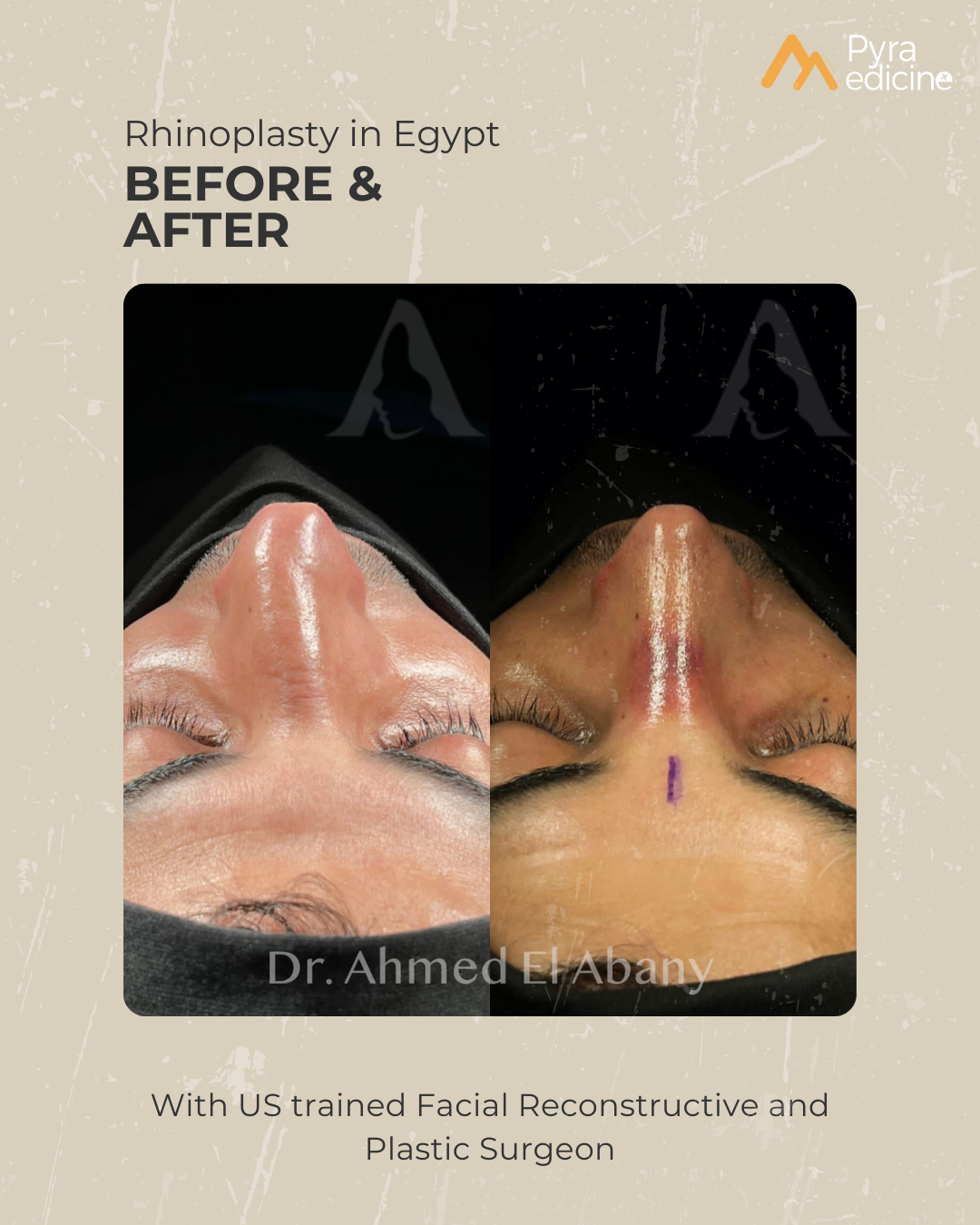
Everything you need to know about the rhinoplasty procedure, recovery, risks, and long-term results.
Considering Rhinoplasty? Here’s What to Expect
Whether you’re unhappy with the appearance of your nose, struggling with breathing difficulties, or recovering from a previous injury, rhinoplasty can be a life-changing procedure. Yet despite being one of the most commonly performed facial surgeries worldwide, many patients begin their research with more questions than answers.
How does the rhinoplasty procedure work? What happens during a consultation? How long is the recovery process? And perhaps most importantly: is rhinoplasty safe?
This guide breaks down every stage of the rhinoplasty journey, from your first consultation to your final results, helping you make an informed decision based on facts rather than assumptions.
What Is Rhinoplasty?
Rhinoplasty, often referred to as a “nose job,” is a surgical procedure that reshapes or reconstructs the nose. While many people associate rhinoplasty with cosmetic improvements, it can also address functional issues that affect breathing and overall nasal function.
Functional vs Cosmetic Rhinoplasty
Understanding the difference between functional vs cosmetic rhinoplasty is important:
Cosmetic Rhinoplasty
Cosmetic rhinoplasty focuses on improving the appearance of the nose. Patients may wish to:
- Reduce a dorsal hump
- Refine the nasal tip
- Straighten a crooked nose
- Improve facial balance and symmetry
- Adjust nose size or width
Functional Rhinoplasty
Functional rhinoplasty is performed to improve breathing and nasal function. Common reasons include:
- Deviated septum
- Nasal valve collapse
- Structural abnormalities
- Trauma-related nasal damage
In many cases, patients benefit from a combination of cosmetic and functional corrections during the same procedure.
The Rhinoplasty Process: Step by Step
Step 1: The Initial Consultation
One of the most searched questions online is: “Rhinoplasty consultation: what to expect?”
Your consultation is arguably the most important stage of the entire journey. It allows your surgeon to understand your goals while assessing whether surgery is appropriate for you.
During the consultation, your surgeon will typically:
- Review your medical history
- Discuss previous injuries or surgeries
- Assess breathing function
- Examine nasal anatomy
- Take clinical photographs
- Discuss realistic outcomes
- Explain surgical techniques and risks
This is also your opportunity to ask questions about recovery, expected results, costs, and long-term maintenance.
A reputable surgeon will focus on achieving harmony with your facial features rather than promising a “perfect” nose.
Step 2: Treatment Planning
After assessing your goals and anatomy, your surgeon develops a personalised treatment plan.
Factors influencing the plan include:
- Skin thickness
- Cartilage structure
- Ethnicity and facial proportions
- Functional concerns
- Previous surgeries
- Desired aesthetic outcome
Advanced imaging or digital simulations may sometimes be used to help visualise potential changes, although final results can never be guaranteed with complete accuracy.
Step 3: The Surgery
The rhinoplasty procedure is typically performed under general anaesthesia and can take between 1.5 and 4 hours depending on complexity.
There are two primary surgical approaches:
Closed Rhinoplasty
All incisions are made inside the nostrils, leaving no visible external scar.
Open Rhinoplasty
A small incision is made across the columella (the tissue between the nostrils), allowing greater visibility and precision for more complex cases.
During surgery, the surgeon may:
- Reshape cartilage
- Refine the nasal tip
- Remove or reduce bone
- Correct asymmetry
- Repair structural defects
- Improve airflow and breathing
Patients usually return home on the same day.
Nose Surgery Recovery Time: What Happens After Surgery?
Recovery is often the stage patients worry about most.
The good news is that while swelling and bruising are common, discomfort is generally manageable and improves steadily.
First Week
During the first seven days, you can expect:
- Swelling around the nose and eyes
- Bruising under the eyes
- Mild congestion
- Temporary breathing difficulty through the nose
Most patients wear a nasal splint during this period.
The splint is typically removed after approximately one week.
Weeks 2-4
At this stage:
- Most bruising resolves
- Swelling begins to reduce
- Social activities become more comfortable
- Many patients return to work
Although the nose looks significantly improved, healing is still ongoing beneath the surface.
Months 1 to 6
Refinement continues gradually.
The nasal tip may still feel firm or slightly swollen, especially in patients with thicker skin.
Long-Term Healing
One of the most common questions is:
How Long Does Rhinoplasty Swelling Last?
While most visible swelling improves within a few months, subtle swelling can persist for up to 12–18 months, particularly around the tip of the nose.
For this reason, surgeons typically consider final rhinoplasty results visible after approximately one year.
What is Important in the Rhinoplasty Journey?
Risks of Nose Surgery
Like any surgical procedure, rhinoplasty carries risks.
Understanding the risks of nose surgery helps patients make informed decisions and establish realistic expectations.
Potential risks include:
- Infection
- Bleeding
- Scarring
- Persistent swelling
- Breathing difficulties
- Asymmetry
- Dissatisfaction with cosmetic results
- Need for revision surgery
The likelihood of complications can be significantly reduced by choosing an experienced, board-certified plastic surgeon and following all instructions.
Is Rhinoplasty Safe?
For healthy individuals treated by qualified surgeons, rhinoplasty is generally considered a safe and well-established procedure.
Patient safety depends on:
- Appropriate candidate selection
- Thorough medical assessment
- Surgical expertise
- Accredited medical facilities
- Adherence to recovery guidelines
Open communication with your surgeon is essential throughout the process.
Deviated Septum Surgery vs Rhinoplasty
Many patients are unsure whether they need septoplasty, rhinoplasty, or both.
Septoplasty
Septoplasty specifically corrects a deviated septum to improve breathing function.
Rhinoplasty
Rhinoplasty changes the external shape and appearance of the nose.
Combined Procedure
Many patients undergo a combined procedure when both cosmetic concerns and breathing difficulties are present.
Understanding the distinction between deviated septum surgery vs rhinoplasty can help ensure you pursue the treatment most appropriate for your needs.
Further Maintenance and Long-Term Care
Although rhinoplasty results are generally permanent, maintaining your outcome requires some ongoing care.
Protect Your Nose
For several months after surgery:
- Avoid contact sports
- Protect your nose from accidental impacts
- Wear sunglasses carefully if advised by your surgeon
Follow-Up Appointments
Scheduled follow-ups allow your surgeon to:
- Monitor healing
- Assess breathing function
- Address concerns early
- Ensure optimal recovery
Healthy Lifestyle Habits
Good overall health supports long-term surgical outcomes.
Helpful habits include:
- Avoiding smoking
- Maintaining stable weight
- Staying hydrated
- Following skincare recommendations
When Rhinoplasty May Not Be Recommended
Rhinoplasty is not suitable for everyone.
Your surgeon may advise delaying or avoiding surgery if:
- You have unrealistic expectations
- Significant medical conditions increase surgical risk
- Nasal growth is incomplete
- You are pregnant
- Active infection is present
- Smoking habits may compromise healing
- Emotional or psychological concerns require further assessment
A responsible surgeon will prioritise your wellbeing above proceeding with surgery.
Frequently Asked Questions





Does rhinoplasty hurt?
Most patients report mild to moderate discomfort rather than severe pain. Any discomfort is usually well controlled with prescribed medication.
How long is nose surgery recovery time?
Most patients return to work within 1–2 weeks. Full healing and final results may take up to 12–18 months.
Will I have visible scars?
Closed rhinoplasty leaves no visible external scars. Open rhinoplasty may leave a small scar that typically fades significantly over time.
Can rhinoplasty improve breathing?
Yes. Functional rhinoplasty can address structural issues that affect airflow and breathing.
Is rhinoplasty permanent?
Yes. Results are generally permanent, although natural ageing processes continue throughout life.
Can I combine cosmetic and functional rhinoplasty?
Absolutely. Many patients choose to address both appearance and breathing concerns during a single procedure.
Final Thoughts
Rhinoplasty is a highly personalised procedure that can improve both appearance and function when performed for the right reasons and by the right specialist.
Understanding each stage, from consultation and surgical planning to recovery and long-term maintenance, allows you to approach the process with realistic expectations and greater confidence.
If you’re considering rhinoplasty, take the time to research thoroughly, ask questions, and choose a qualified surgeon who prioritises safety, transparency, and patient-centred care.
Ready to Take the Next Step?
Or
References
- British Association of Aesthetic Plastic Surgeons (BAAPS)
- British Association of Plastic Reconstructive and Aesthetic Surgeons (BAPRAS)
- National Health Service (NHS)
- Aesthetic Surgery Journal
- Nature Medicine